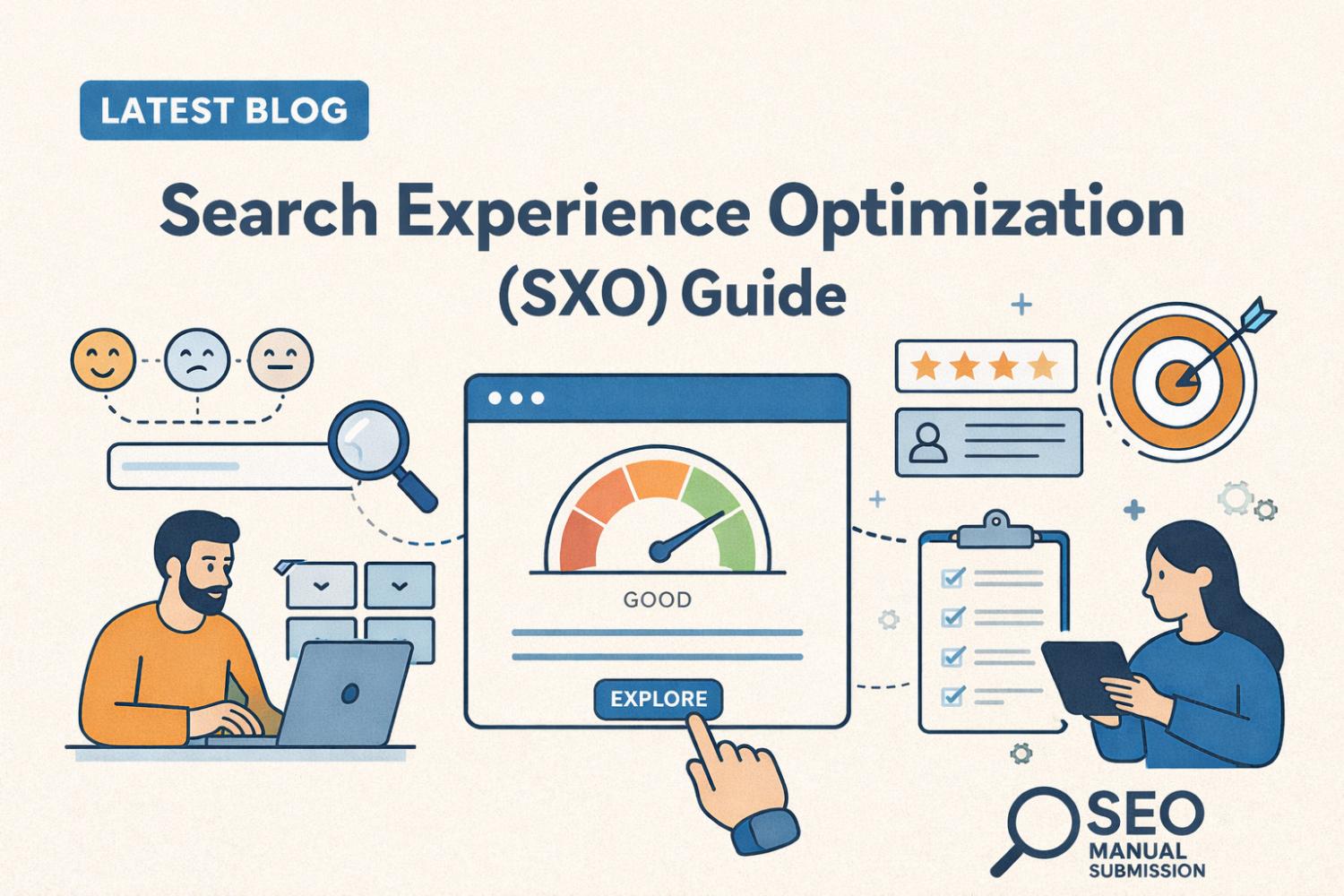
Search Experience Optimization (SXO) Guide
Search Experience Optimization (SXO): Where SEO, User Experience & Conversions Work Together
A comprehensive guide to Search Experience Optimization (SXO) explaining how SEO, user experience, content relevance, and trust signals work together to drive sustainable organic growth.
Search engine optimization has matured significantly over the years. Ranking on page one is no longer the final goal; what matters more is what happens after a user clicks on your website. This shift has given rise to a broader and more practical concept known as Search Experience Optimization (SXO).
SXO bridges the gap between visibility and performance. It focuses not only on bringing traffic from search engines but also on ensuring that users find value, clarity, and confidence once they arrive. In competitive search environments, SXO often becomes the deciding factor between websites that merely rank and those that convert consistently.
Understanding SXO Beyond Traditional SEO
Traditional SEO concentrates on keywords, backlinks, and technical factors that help a website appear in search results. SXO expands this approach by combining SEO with user experience (UX), content relevance, site usability, and conversion optimization.
Search engines increasingly evaluate how users interact with websites. Metrics such as dwell time, bounce rate, page navigation behavior, and content engagement indirectly signal whether a search result satisfied user intent. SXO aligns optimization efforts with these signals.
Instead of asking, “How do we rank higher?”, SXO asks a more important question:
“Does our website genuinely solve the user’s problem once they land on it?”
Why SXO Is Becoming Essential for Sustainable Rankings
Search engines aim to deliver the best possible experience to users. When a website ranks well but fails to meet expectations, users return to the search results quickly. Over time, this behavior weakens trust signals.
SXO addresses this by ensuring that:
-
Pages load efficiently and display correctly on all devices
-
Content aligns precisely with search intent
-
Navigation is intuitive and friction-free
-
Trust elements reinforce credibility
Websites that deliver strong experiences naturally retain visitors longer, guide them through relevant pages, and generate meaningful engagement. These outcomes indirectly support rankings while directly improving conversions.
The Role of User Intent in SXO
User intent sits at the core of Search Experience Optimization. Every search query reflects a specific need—information, comparison, navigation, or transaction. SXO ensures that the page ranking for a keyword truly matches that intent.
For example, a user searching for a service expects clarity, pricing direction, proof of expertise, and easy contact options. Ranking such a page without delivering these elements results in wasted traffic. SXO ensures that content structure, messaging, and page flow meet expectations immediately.
This alignment is where many SEO campaigns fall short and where SXO creates a measurable difference.
How On-Page Optimization Supports SXO
Strong SXO begins with solid on-page optimization. Technical correctness and content clarity are prerequisites for positive user experiences.
Well-structured pages, meaningful headings, readable content blocks, and logical internal linking make it easier for users to scan and understand information. Proper on-page optimization also ensures that search engines correctly interpret content relevance.
When on-page SEO is combined with user-focused design and messaging, pages perform better both in rankings and engagement.
This is why services such as On Page Optimization Service play a foundational role in SXO-driven SEO strategies.
Content Experience: The Heart of SXO
Content quality alone is not enough. How content is presented matters equally.
SXO-oriented content:
-
Addresses the core question early
-
Uses natural language rather than keyword stuffing
-
Maintains logical flow and readability
-
Guides users toward the next logical step
Long-form content performs well only when it is structured for human reading, not just search engines. Paragraph spacing, contextual explanations, and supportive internal links all improve the content experience.
This approach aligns naturally with Content Marketing Services, where content is created not just to rank, but to inform, persuade, and build trust.
Off-Page SEO and Trust Signals in SXO
SXO does not eliminate the importance of off-page SEO; instead, it reframes its purpose. Backlinks, citations, and brand mentions act as trust validators that influence how users and search engines perceive credibility.
A diversified and natural backlink profile supports SXO by reinforcing brand legitimacy. Users are more likely to trust websites that appear consistently across authoritative platforms.
This is where ethical link building methods such as Link Building Services, Manual Directory Submission, and Contextual Link Building Service contribute to SXO by strengthening external trust signals without compromising user experience.
Page Experience, Speed & Mobile Usability
User patience has shortened considerably. A slow-loading page or poor mobile experience disrupts SXO immediately, regardless of rankings.
Search Experience Optimization emphasizes:
-
Fast page loading
-
Mobile responsiveness
-
Clear call-to-action placement
-
Minimal visual clutter
Websites optimized for speed and usability naturally reduce bounce rates and encourage deeper engagement. These improvements benefit both organic performance and conversion metrics.
SXO for Local & Service-Based Businesses
For local and service-driven businesses, SXO is particularly impactful. Users often make decisions quickly based on trust, clarity, and convenience.
Local SXO strategies focus on:
-
Clear service descriptions
-
Geographic relevance
-
Trust indicators such as reviews and citations
-
Easy contact and inquiry paths
Combining SXO principles with Local SEO Services helps businesses attract users who are ready to engage, not just browse.
The Strategic Role of SXO in Modern SEO Campaigns
SXO should not replace SEO; it should refine it. Rankings bring opportunity, while experience determines results.
When SXO is integrated into SEO planning:
-
Traffic quality improves
-
Conversion rates increase
-
Brand perception strengthens
-
SEO performance becomes more stable
This approach aligns perfectly with long-term SEO models such as Monthly Link Building Campaigns and comprehensive optimization strategies rather than short-term ranking tactics.
Why Execution Matters More Than Theory
Many discussions around SXO remain theoretical. Real results come from execution—aligning technical SEO, content strategy, user behavior analysis, and ethical off-page practices into a unified approach.
At SEO Manual Submission, SXO is approached as a practical framework rather than a buzzword. SEO strategies are designed to support real users, real business goals, and long-term visibility rather than temporary ranking spikes.
Conclusion: SXO Is the Future-Ready Form of SEO
Search Experience Optimization reflects how search engines and users now interact with websites. Visibility alone is no longer sufficient. Websites must earn attention, trust, and engagement after the click.
SXO ensures that SEO efforts translate into meaningful outcomes—better engagement, higher conversions, and stronger brand authority. Businesses that adopt SXO principles early position themselves for sustainable growth in increasingly competitive search environments.
SEO brings users to your website.
SXO convinces them to stay, trust, and act.
Comments:
Leave A Comment:
Author

Recent Posts



08 Jan 2026

23 Dec 2025



Share Page
Related Keywords
Subscribe to our newsletter
To get latest news / trends in digital marketing subscribe to our newsletter. We don't spam your inbox, we sent only latest news, offers one or hardly two times per month.